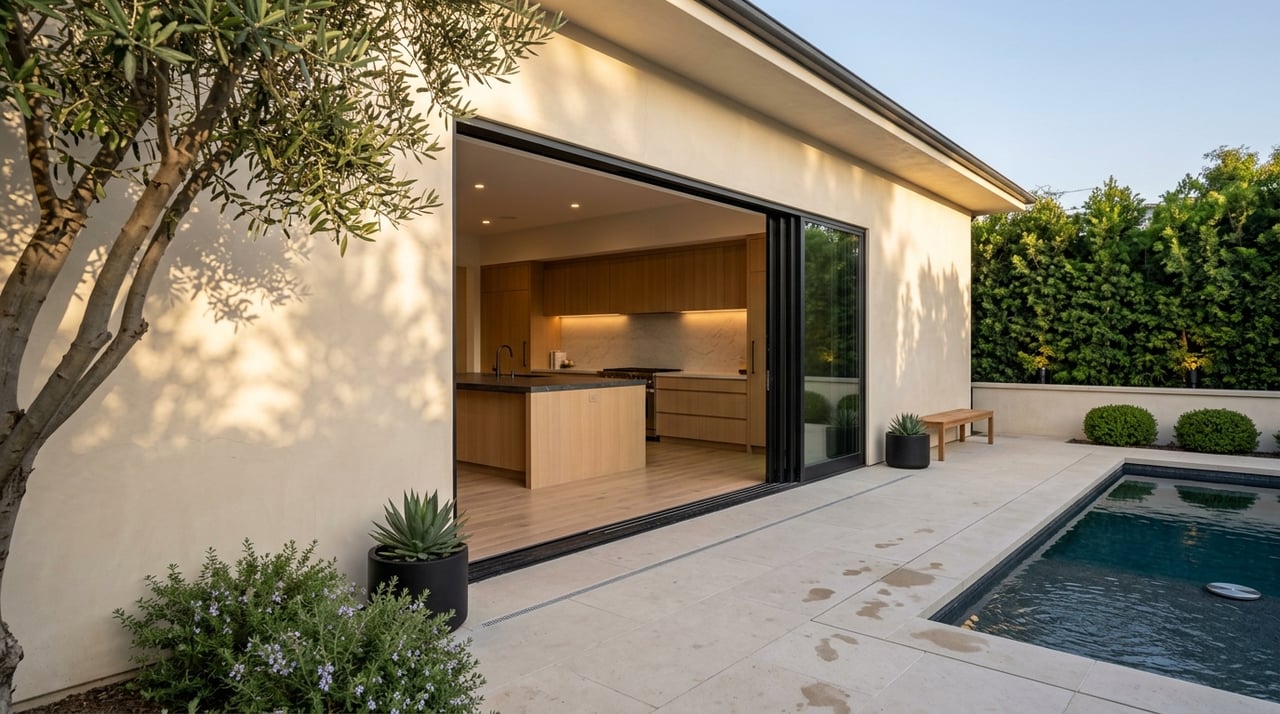
Palo Alto vs Los Altos Homes: Which City Fits You?
July 9, 2026
July 9, 2026
Trying to choose between Palo Alto and Los Altos for your next home? It is a smart question, because these two Silicon Valley markets can look similar at first glance but live quite differently day to day. If you are weighing commute patterns, housing options, pricing, and the kind of routine you want, this guide will help you compare them through a practical lens. Let’s dive in.
Palo Alto and Los Altos are both high-cost markets, but they differ in scale, housing form, and how you move through daily life. Palo Alto had 67,658 residents in 2024, while Los Altos had 30,864 residents and describes itself as a seven-square-mile residential city.
That difference in size matters. A larger city often brings more housing variety and more transit connections, while a smaller residential city can offer a more contained day-to-day pattern. For many buyers, the better choice is less about which city is "better" and more about which one fits your priorities.
Recent Redfin data for the three months ending May 2026 shows Los Altos with a higher median sale price at $4.25 million, compared with $3.60 million in Palo Alto. Median days on market were close, with 10 days in Los Altos and 12 days in Palo Alto.
Both cities averaged about three offers per home, which suggests that buyers should expect competition in either market. Palo Alto recorded more sales volume, with 180 homes sold in May 2026 versus 103 in Los Altos, which may give you a somewhat broader set of active and recent listings to study.
Price per square foot also tells an interesting story. Palo Alto posted a median of $2.09K per square foot, while Los Altos came in at $1.75K. That can reflect differences in housing stock, lot patterns, and the mix of homes trading in each market.
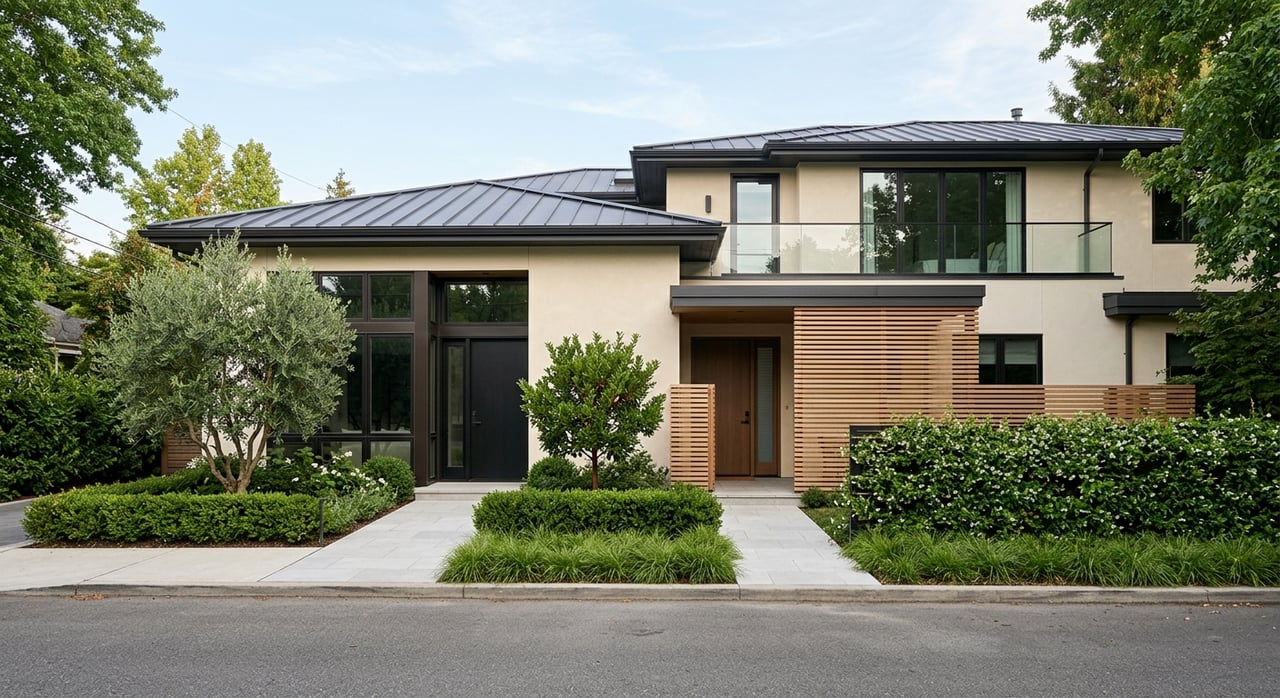
If your top priority is having more types of homes to choose from, Palo Alto stands out. According to the city’s housing element, Palo Alto’s 2021 housing stock was 57% detached single-family, 4% attached single-family, and 39% multifamily.
Los Altos is much more detached-home oriented. Its 2020 housing stock was 81.0% detached single-family, 4.8% attached single-family, 2.2% multifamily 2 to 4 units, and 12.1% multifamily 5+ units.
In simple terms, Palo Alto gives you a broader product mix. If you are open to condos, townhomes, or other multifamily options, Palo Alto is more likely to offer them as part of the local housing inventory.
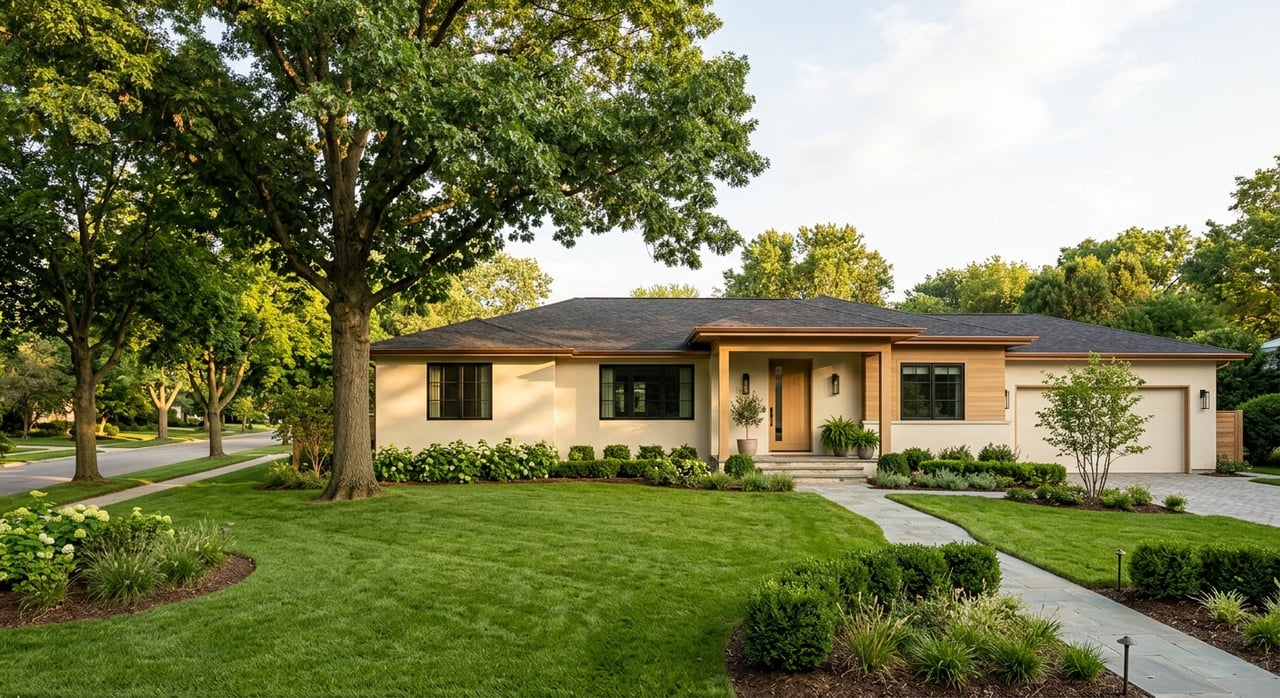
Los Altos, by contrast, is more centered on detached homes. If your search is focused on a single-family property and you want to compare mostly within that category, Los Altos may feel more aligned with your goals.
Palo Alto’s housing stock also grew by 13% from 2000 to 2021, with multifamily units showing the largest proportional growth. That does not mean every buyer will find lower prices there, but it does support the idea that Palo Alto offers more range in housing form.
This can be helpful if you are moving up in stages. You may begin by considering a townhome or condo, or you may want flexibility as household needs change over time.
Los Altos saw total housing-unit growth of 4.2% between 2010 and 2020. Its housing planning materials also note strong resident preference for preserving the city’s single-family neighborhood character during the 6th-cycle update process.
For buyers, that helps explain why the city remains more limited in denser housing supply. It also reinforces Los Altos as a market where detached-home inventory is a central part of the local identity.
Your daily routine can shape your home choice just as much as price or square footage. Palo Alto has direct Caltrain access through the Palo Alto station at 95 University Ave., with 389 parking spaces, 178 bike racks, and transit connections including VTA and SamTrans.
The city also operates a shuttle system connecting neighborhoods, libraries, recreation centers, shopping districts, and Caltrain. If you want a more transit-linked routine, that is a meaningful advantage.
Los Altos does not have a Caltrain station within city limits. City transportation materials note that rail access is available across the border in Mountain View, while regional access is emphasized through SR-85 and I-280.
That makes Los Altos more dependent on nearby regional corridors and adjacent transit nodes. If you drive often and prefer planning around road access, that may feel workable and familiar. If direct rail access is high on your list, Palo Alto has the clearer edge.
Daily life can feel different even when two cities sit close together on the map. Palo Alto offers a larger civic and transportation network, while Los Altos organizes much of its routine around smaller retail districts and neighborhood-serving amenities.
Los Altos describes itself as a tree-lined residential community with seven small retail districts. These include Downtown Los Altos, Loyola Corners, Rancho Shopping Center, Village Court, Woodland Plaza, Foothill Crossing, and El Camino Real.
That pattern can appeal to buyers who like a village-scale feel for errands and weekends. Instead of one dominant commercial experience, you have several smaller districts woven into the city’s residential fabric.
Palo Alto, meanwhile, offers direct rail access plus a broader civic amenity base. The city has a five-branch library system, and Mitchell Park Library hosts digital literacy and AI-related workshops through the ReBoot program.
If parks and outdoor access are part of your lifestyle, both cities bring something valuable, but at different scales. Palo Alto maintains 174 acres of urban parks and more than 4,000 acres in natural open-space preserves, including Baylands Nature Preserve, Esther Clark Preserve, Foothills Park, and Pearson-Arastradero Preserve.
Los Altos maintains 52.5 acres of city parks. It also includes Redwood Grove Nature Preserve, a 6.12-acre preserve with a boardwalk along Adobe Creek and a trail, plus the Los Altos Community Center, a 24,500-square-foot facility that opened in October 2021.
For some buyers, Palo Alto’s larger open-space footprint may support a more varied outdoor routine. For others, Los Altos’ neighborhood-focused parks network may feel easier to fold into everyday life.
Census QuickFacts show a notable difference in owner occupancy. Palo Alto is 54.6% owner-occupied, while Los Altos is 81.7% owner-occupied.
That does not tell you everything about a city, but it is a useful lens. Palo Alto appears to have a broader mix of owner and renter housing, while Los Altos is more owner-heavy.
For buyers, that can support the larger pattern already visible in the housing data. Palo Alto tends to offer more variety in housing form, and Los Altos tends to be more centered on detached residential ownership.
If you want broader housing choice, more multifamily options, and direct rail access, Palo Alto may be the better fit. It is especially worth a close look if your home search includes condos, townhomes, or a daily routine shaped by Caltrain and connected civic amenities.
If you want a more detached-home-focused market and a smaller village-scale retail pattern, Los Altos may line up better with your lifestyle. It can be a strong fit for buyers who value a more residential framework and are comfortable organizing commute and errands around driving and nearby regional access.
Neither city is a universal winner. The right answer usually comes from matching your budget, housing preferences, commute habits, and lifestyle goals to the city that supports them best.
A thoughtful home search in markets like Palo Alto and Los Altos benefits from clear strategy, careful comparison, and calm decision-making. If you want tailored guidance on how these two markets align with your goals, connect with Stephanie Leung.
Stay up to date on the latest real estate trends.

A refined, relationship-driven real estate experience rooted in strategy, discretion, and precision—delivering tailored guidance, trusted insight, and results with exceptional attention to detail.