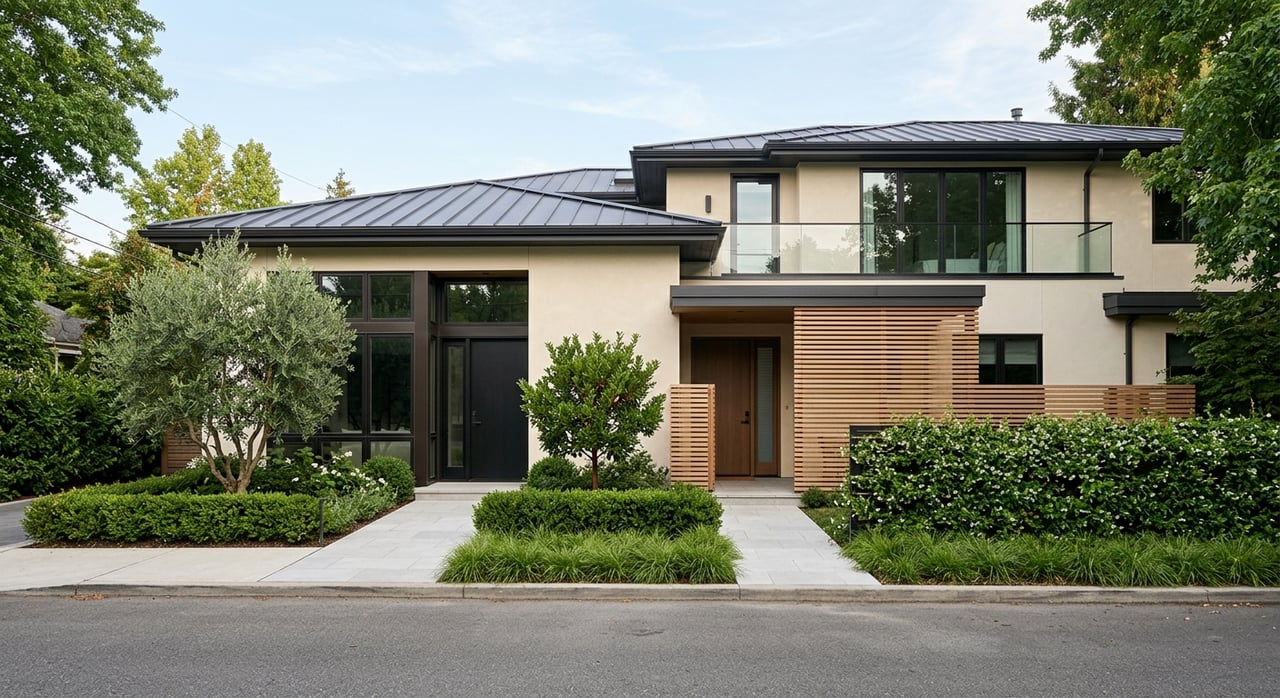
Choosing Between Cupertino Houses And Townhomes
July 2, 2026
July 2, 2026
Wondering whether a Cupertino house or townhome is the better fit for your next move? You are not alone. In a market where detached homes still shape the local landscape, attached housing offers a meaningful alternative for buyers who want a different balance of space, upkeep, cost structure, and convenience. This guide will help you compare both options in a practical, Cupertino-specific way so you can make a more confident decision. Let’s dive in.
Cupertino remains a house-led market. According to the city’s 2024 housing update, 57% of housing units are single-family, while 12% are attached units, 21% are multifamily, and 10% are duplex, triplex, or fourplex units.
That mix matters because it helps explain why detached homes often feel like the default choice in Cupertino. The same city update notes that owners mostly occupy 3- to 4-bedroom homes, while renters mostly occupy 1- to 2-bedroom units. If you are moving up in size or planning for a longer hold, that local pattern can shape both your search and your expectations.
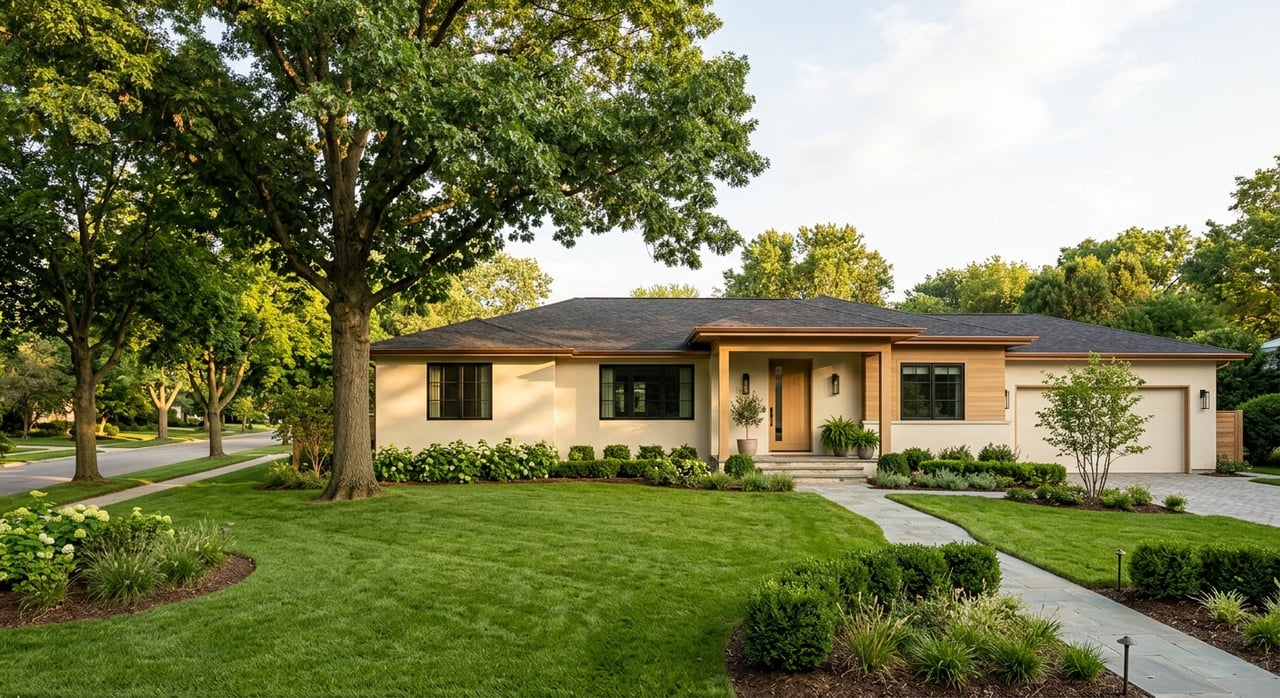
For many Cupertino buyers, a detached house offers the most traditional ownership experience. The city’s R1 zoning is intended to create and preserve low-density detached dwellings and provide light, air, and a reasonable level of privacy.
In practical terms, that usually means more separation from neighbors, a more conventional lot layout, and a living experience that feels distinctly suburban. If privacy, outdoor space, or a quieter physical setup matters most to you, a house may align more naturally with your priorities.
One of the strongest arguments for a house in Cupertino is optionality. The city allows accessory dwelling units, or ADUs, in all residential zoning districts where single-family residences are allowed.
That can matter if you are thinking beyond today’s floor plan. The city specifically notes ADUs can be useful for rental income, extended family or caregivers, and aging in place. For some buyers, that makes a house not just a home, but a longer-term flexibility play.
Parking is another everyday quality-of-life factor. Cupertino’s residential parking standards require 4 spaces per single-family home, typically 2 garage spaces plus 2 open spaces.
If your household has multiple vehicles, frequent guests, or storage needs that spill into the garage, this can be a meaningful advantage. It also reflects the larger-footprint pattern that many buyers associate with detached living.
Townhomes appeal to buyers who want ownership without taking on the full footprint of a detached house. In Cupertino, they can be a smart fit if you want lower day-to-day exterior upkeep, a more compact layout, or a location that may place you closer to major corridors.
That said, townhome ownership comes with a different set of responsibilities. The tradeoff is not simply less maintenance. It is a shift from direct control over everything on your property to a shared-governance model with rules, dues, and association oversight.
In California, townhomes are often purchased in common-interest developments. The California Attorney General states that HOA membership is usually required in these communities, and the California Department of Real Estate says that when you buy a townhouse in that type of development, you automatically become a member.
You should treat the HOA as a major part of the purchase decision. Public reports for these developments disclose CC&Rs, costs, and assessments tied to HOA common areas. That means your review should go beyond the home itself and include the association’s rules, financial health, and maintenance responsibilities.
Many buyers are drawn to townhomes because they expect less upkeep. That is often true, but it helps to be precise. Under California Civil Code, the association generally maintains common areas, while the owner maintains the separate interest and some exclusive-use common areas.
In real life, that usually means a townhome can reduce some exterior and shared-space maintenance burdens, but it does not make ownership hands-off. You are trading some yard and exterior responsibility for HOA dues, HOA rules, and the need to understand reserve strength.
Cupertino’s parking table requires 1 space per townhome unit, covered or in a garage. That is a sharp contrast to the 4-space requirement for single-family homes.
For some buyers, that compact pattern feels efficient and easier to manage. For others, especially households with multiple drivers, it may feel restrictive. This is one of those details that can seem minor online but become very important once you picture daily life.
Recent local projects offer a useful snapshot of how attached housing is being built in Cupertino. The city has current proposals or approvals that include 27 townhomes in six three-story buildings on McClellan Road, 55 townhome condominium units in ten three-story buildings on Stevens Creek Boulevard, and a mixed-use project with 92 for-sale townhomes and shared open space on Stevens Creek.
These examples do not define every townhome in the city, but they do show a local pattern. In Cupertino, attached housing often appears in more compact, multi-building formats and may include shared open space rather than large private lots.
In Cupertino, the right property type is not just about the home. It is also about where that home sits in relation to your daily routine.
The city’s mobility element notes that Cupertino is served by Highway 85, Interstate 280, Lawrence Expressway, and VTA bus service, with connections to major boulevards, expressways, commuter rail, and the regional freeway system. It also notes that the city’s circulation system began as suburban and auto-oriented, even as current policy supports walking, biking, transit, and other modes.
If freeway access is high on your list, you may want to compare homes based on how quickly you can reach the city’s freeway network. If your everyday routine depends more on transit-oriented travel, it may make sense to focus on properties near Stevens Creek Boulevard and De Anza Boulevard.
Cupertino’s transportation study guidelines identify Stevens Creek Boulevard as a major transit corridor where VTA Route 23 operates, and VTA Rapid 523 also serves the Stevens Creek and De Anza corridor. That does not mean one property type is always closer to transit, but it does mean location can strongly affect the lifestyle tradeoff.
If you are deciding between a Cupertino house and townhome, it helps to compare them through the lens of daily use rather than just price or square footage.
| Consideration | House | Townhome |
|---|---|---|
| Privacy | Typically more separation due to detached design | Usually more shared walls and closer spacing |
| Outdoor space | Often more private lot area | Often less private land, more shared open space |
| Maintenance | More direct owner responsibility | Some responsibilities shifted to HOA |
| HOA involvement | May not apply in the same way | Common in many developments |
| Parking | 4 spaces required per unit | 1 space required per unit |
| Future flexibility | ADU potential in eligible single-family districts | Typically more limited flexibility |
This table will not answer every question, but it can help you identify which tradeoffs matter most to your household.
A detached house may be the better fit if you want more privacy, more parking, more control over your property, or the potential to add an ADU in the future. It can also make sense if you are planning for a longer ownership horizon and want more flexibility as life changes.
A townhome may be the better fit if you prefer a more compact ownership experience and are comfortable with HOA structure, shared governance, and a different maintenance model. For some buyers, that tradeoff is well worth it, especially when lifestyle simplicity matters more than lot size.
The choice between a house and townhome is rarely just about the property type itself. In Cupertino, it is also about zoning, parking, HOA structure, commute patterns, and how each option supports your next few years, not just your next few months.
That is where a calm, analytical approach can make a real difference. When you compare options through the lens of use, flexibility, and location, the right answer often becomes much clearer.
If you are weighing houses versus townhomes in Cupertino, a thoughtful comparison can save you time and help you avoid compromises that do not serve your long-term goals. For tailored guidance on Cupertino homes and a strategic approach to your next move, connect with Stephanie Leung.
Stay up to date on the latest real estate trends.

A refined, relationship-driven real estate experience rooted in strategy, discretion, and precision—delivering tailored guidance, trusted insight, and results with exceptional attention to detail.